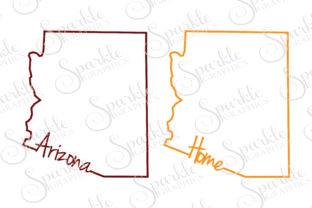
Arizona Cut File: A Comprehensive Guide to Design and Compatibility
If you're in the market for high-quality digital cut files, Arizona Cut File is a name that comes up frequently. This file format is designed with versatility and compatibility in mind, making it a popular choice among crafters and designers. When you purchase an Arizona Cut File, you typically receive a zipped folder containing multiple file types, including SVG, DXF, EPS, and PNG. These formats ensure that the design can be used across a range of cutting machines and software platforms.
What Makes Arizona Cut File Unique?
Azona Cut File stands out due to its focus on usability and adaptability. Unlike some other cut file providers, Arizona Cut File ensures that each design is optimized for various tools and applications. Whether you're using a Silhouette Basic Designer or Cricut Design Space, the files are engineered to work seamlessly with these platforms.
The inclusion of multiple file types within a single zipped folder is another key feature. This approach allows users to select the most appropriate format based on their specific needs. For instance, SVG files are ideal for vector-based editing, while PNG files offer high-resolution raster images suitable for print or digital use.
Understanding the File Types Included
The Arizona Cut File package includes four primary file types:
- SVG (Scalable Vector Graphics): Best for detailed designs that need to scale without losing quality.
- DXF (Drawing Exchange Format): Often used in CAD software for precise engineering and architectural designs.
- EPS (Encapsulated PostScript): Ideal for professional printing and high-quality output.
- PNG (Portable Network Graphics): Great for web use and maintaining transparency in graphics.
Each of these formats serves a unique purpose, and having them all in one package provides flexibility for different projects and mediums.
Comparing Arizona Cut File with Similar Options
While there are several cut file providers in the market, Arizona Cut File distinguishes itself through its attention to detail and compatibility. Other options may offer similar file types, but they often lack the same level of optimization for specific tools like the Silhouette Basic Designer or Cricut Design Space.
For example, some providers might focus solely on PNG or JPEG files, which are not as versatile for vector-based editing. In contrast, Arizona Cut File's multi-format approach caters to a broader audience, ensuring that users can find the right file type for their project, whether it's for crafting, printing, or digital use.
Strengths and Limitations
Azona Cut File excels in its ability to provide users with a comprehensive set of file types that cater to diverse needs. This strength makes it particularly useful for those who work across multiple platforms or require different formats for different applications.
However, one potential limitation is the complexity of managing multiple file types. Users who are less familiar with file formats may find it challenging to navigate the options and determine which format is best suited for their specific task. It's important to consider your workflow and the requirements of your project before selecting the appropriate file type.
When to Choose Arizona Cut File
Azona Cut File is the ideal choice when you need a versatile solution that works across multiple platforms and formats. If you're working on a project that requires both vector and raster graphics, or if you plan to use the design on different devices and software, Arizona Cut File is a solid option.
Additionally, if you're looking for a reliable source of high-quality cut files that are compatible with popular cutting machines, Arizona Cut File is worth considering. Its focus on user-friendly design and compatibility ensures that even beginners can benefit from its offerings.
Alternatives to Consider
While Arizona Cut File is a strong contender, there are alternatives that may better suit certain needs. For instance, if you're primarily interested in vector graphics and don't need the additional file types, other providers might offer more specialized formats. However, these alternatives often lack the same level of compatibility and versatility that Arizona Cut File provides.
It's also worth noting that some platforms offer integrated design tools alongside their cut files, which can be beneficial for users who prefer a one-stop solution. However, these platforms may not always provide the same level of customization and flexibility as Arizona Cut File.
Realistic Examples and Practical Comparisons
To illustrate the practical benefits of Arizona Cut File, consider a scenario where a user is creating a custom wedding invitation. They might start by designing the layout in a graphic editor, then export the design as an SVG file for use in Cricut Design Space. The same design could also be exported as a PNG for digital sharing or printed as an EPS file for high-quality output.
This versatility ensures that the user can maintain consistency across different mediums while taking advantage of the strengths of each file format. Such practical examples highlight how Arizona Cut File can simplify the creative process and enhance the final outcome.
Making an Informed Decision
When evaluating cut file options, it's essential to consider your specific needs and preferences. Arizona Cut File offers a balanced approach that prioritizes usability and compatibility, making it a valuable resource for both novice and experienced users.
Ultimately, the decision to choose Arizona Cut File depends on your workflow, project requirements, and the tools you use. By understanding the strengths and limitations of this option, you can make a more informed choice that aligns with your creative goals.