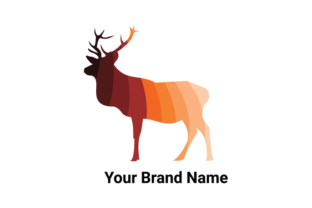
Understanding the Deer Logo and Its Design Specifications
The Deer Logo is a versatile and widely recognized emblem that symbolizes strength, grace, and natural beauty. When designing or using this logo, it's essential to understand the technical specifications that ensure its quality and adaptability across various platforms. One such specification is the use of an EPS file with an artboard size of 5000 px x 3000 px in CMYK color mode. These details are crucial for maintaining visual consistency and ensuring the logo remains professional and scalable.
The Importance of EPS Files in Logo Design
EPS (Encapsulated PostScript) files are a vector-based format that allows logos to be scaled without losing quality. This makes them ideal for both print and digital use. The Deer Logo, when provided in EPS format, ensures that every detail remains sharp and clear, no matter how large or small the logo is used.
The artboard size of 5000 px x 3000 px provides ample space for intricate design elements while still being manageable for most design software. This size is particularly beneficial for high-resolution printing and large-scale digital displays. It allows designers to work within a spacious canvas, making it easier to incorporate additional elements or adjust spacing as needed.
CMYK Color Mode: Why It Matters for Print
Using the Deer Logo in CMYK color mode is essential for print projects. Unlike RGB, which is used for digital displays, CMYK is the standard for offset printing. This ensures that the colors appear as intended when printed on physical materials such as brochures, posters, and packaging.
Designers should be aware that some colors may shift slightly when converting from RGB to CMYK. For instance, bright neon colors might become more muted in print. Therefore, it's important to test the logo in CMYK mode before finalizing any print project. This helps avoid unexpected results and ensures that the Deer Logo maintains its intended appearance.
Font Restrictions and Their Impact on Design
One unique aspect of the Deer Logo is that the font cannot be changed. This restriction can have both advantages and disadvantages. On one hand, it ensures consistency and maintains the brand’s identity. On the other hand, it limits creative flexibility. However, this limitation is often intentional, as the font is carefully selected to align with the brand’s personality and values.
Despite the font being fixed, designers can still experiment with different layouts, shapes, and compositions to create a visually appealing logo. The key is to focus on the overall design rather than just the text. This approach allows for a more dynamic and engaging logo that resonates with the target audience.
Customization Options: Size and Color
While the font is fixed, the Deer Logo offers flexibility in terms of size and color. This means that the logo can be resized to fit different applications, from business cards to billboards. The ability to change the size ensures that the logo remains functional and effective across various mediums.
Color customization is another valuable feature. Although the logo is originally designed in CMYK, it can be adjusted to match the brand’s color palette. This allows for greater integration with other branding elements, such as websites, social media, and marketing materials. However, it's important to maintain color consistency to preserve the logo’s integrity and recognition.
Practical Applications of the Deer Logo
The Deer Logo is not just a static image; it's a powerful tool that can be applied to a wide range of projects and industries. Whether it's for a wildlife conservation organization, a luxury brand, or a local business, the logo can be adapted to suit the specific needs of the client.
In the hospitality industry, for example, the Deer Logo can be used on signage, menus, and promotional materials. In the fashion sector, it can be incorporated into product labels and packaging. The versatility of the logo makes it a valuable asset for businesses looking to establish a strong visual identity.
For digital use, the EPS format ensures that the logo remains crisp and clear on screens of all sizes. This is especially important for websites and mobile applications where visual clarity is critical. The ability to scale the logo without distortion makes it an excellent choice for online branding efforts.
Choosing the Right Tools for Working with the Deer Logo
Working with the Deer Logo requires the right tools and software. Adobe Illustrator is the most commonly used program for editing EPS files due to its robust vector capabilities. Other options include CorelDRAW and Inkscape, which offer similar functionality at a lower cost.
When working with the logo, it's important to use high-quality software that supports CMYK color profiles. This ensures that the colors remain accurate during the design process. Additionally, designers should be familiar with the artboard size and how it affects the layout and composition of the logo.
Regularly saving and backing up the logo file is also essential. This helps prevent data loss and ensures that the latest version of the logo is always available for use. Cloud storage solutions like Google Drive or Dropbox can be useful for managing and sharing the logo across teams or departments.
Best Practices for Using the Deer Logo
To make the most of the Deer Logo, it's important to follow best practices that ensure its effectiveness and longevity. First, always use the original EPS file for any edits or modifications. This helps maintain the highest quality and prevents any unintended changes to the design.
Second, avoid using the logo in low-resolution formats. While the EPS file is high quality, converting it to a lower resolution format like JPEG can result in pixelation and loss of detail. Stick to vector formats whenever possible to ensure the logo remains sharp and clear.
Third, consider the context in which the logo will be used. A logo that works well on a website may not be suitable for a printed brochure. Always test the logo in different environments to ensure it looks great in all situations.
Finally, keep the logo updated as needed. As brands evolve, so should their visual identity. Regularly reviewing and updating the Deer Logo ensures that it continues to represent the brand accurately and effectively.