Botanical Square Garden Flyer: A Practical Guide to Design and Use
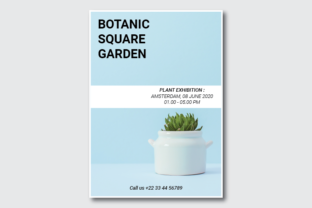
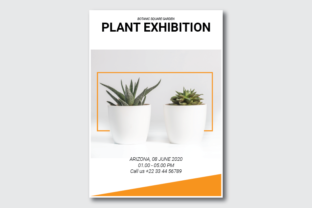
The Botanical Square Garden Flyer is a versatile design template that blends the elegance of botanical illustration with the functionality of a promotional flyer. Whether you're a small business owner, marketer, or creative professional, this flyer offers a clean, nature-inspired aesthetic that can be tailored to suit a wide range of purposes—from event invitations to product launches.
Why Choose the Botanical Square Garden Flyer?
This flyer stands out due to its attention to detail and thoughtful design elements. The use of natural motifs like leaves, flowers, and geometric patterns gives it a unique visual identity that appeals to both aesthetics and branding. It's especially well-suited for eco-conscious businesses, wellness brands, or any organization looking to convey a sense of tranquility and growth.
Additionally, the flyer is designed with print in mind. At 300 DPI, it ensures high-quality output, while the bleed of 0.25cm guarantees that your design extends perfectly to the edges of the final print. The size of 21cm x 29.7cm makes it ideal for standard A4 printing, which is widely accessible and cost-effective.
Common Mistakes When Using the Botanical Square Garden Flyer
While the Botanical Square Garden Flyer is a powerful tool, users often overlook key details that can impact the final outcome. Here are some common mistakes to avoid:
- Ignoring the color mode: Using RGB instead of CMYK can lead to unexpected color shifts when printed. Always ensure your design is set to CMYK for accurate color reproduction.
- Overlooking font licensing: Although the ROBOTO font is free, it’s important to confirm its usage rights, especially if you plan to distribute the flyer commercially.
- Not checking the bleed area: Failing to extend your design into the bleed zone can result in white borders on the final print, which may look unprofessional.
- Underestimating file size: Large files can cause delays during printing or distribution. Optimize your file before exporting to maintain quality without unnecessary bulk.
- Using low-resolution images: If your flyer includes photographs or illustrations, ensure they are at least 300 DPI to maintain clarity in print.
How These Mistakes Affect Your Results
Each of these errors can have a significant impact on the overall presentation and effectiveness of your flyer. For instance, incorrect color settings can make your design appear dull or inconsistent, reducing its visual appeal. Similarly, not accounting for bleed can create an unpolished look that undermines your brand’s professionalism.
Font licensing issues can also pose legal risks, especially if you’re distributing the flyer as part of a marketing campaign. Poorly optimized files may lead to slower download times or even failed print jobs, causing frustration and wasted resources.
Practical Tips for Success
To avoid these pitfalls, follow these best practices:
- Always work in CMYK: Set your document to CMYK color mode from the start to ensure accurate color representation in print.
- Use the correct fonts: Verify that all fonts used in your design are either embedded or licensed for commercial use.
- Extend designs into the bleed area: Make sure your main content reaches the edge of the page to prevent unwanted white space.
- Optimize file size: Use tools like Adobe Illustrator’s "Save for Web" feature to reduce file size without compromising quality.
- Test print samples: Before mass printing, test a small batch to catch any issues early and make necessary adjustments.
What to Check Before Finalizing Your Design
Before sending your Botanical Square Garden Flyer to print or distribution, take a moment to review the following:
- Resolution and clarity: Ensure all text and images are sharp and clear at 300 DPI.
- Bleed and trim marks: Confirm that your design extends into the bleed area and that trim marks are included for precision cutting.
- Color accuracy: Preview your design in CMYK mode to see how it will look when printed.
- File format: Save your file in a format suitable for print, such as PDF or high-resolution PNG.
- Legal compliance: Double-check font licenses and image copyrights to avoid potential legal issues.
Realistic Examples and Better Approaches
Imagine you're designing a flyer for a local botanical garden event. You might initially place your text in the center of the page, ignoring the bleed area. This could result in a border around the edges when printed, making your flyer look incomplete. Instead, extend your text and background design into the bleed zone to ensure a seamless finish.
Another example: using a high-resolution image of a flower in your design but failing to check its resolution. This could lead to a blurry print, which detracts from the overall quality of your flyer. To avoid this, always source images at 300 DPI or higher and embed them directly into your design.
Conclusion
The Botanical Square Garden Flyer is a valuable resource for anyone looking to create visually appealing, professionally printed materials. By understanding common mistakes and implementing practical solutions, you can maximize the effectiveness of your design and ensure a positive experience for your audience. With careful planning and attention to detail, your flyer can become a powerful tool for communication and engagement.