Disco Dance Party: A Guide to Choosing the Right Design Files
Disco Dance Party is more than just a nostalgic throwback to the 70s—it’s a vibrant, high-energy event that brings people together through music, movement, and celebration. Whether you're organizing a themed party, creating promotional materials, or designing digital content, having the right design assets can make all the difference in how your Disco Dance Party is perceived and experienced.
Understanding Disco Dance Party Design Files
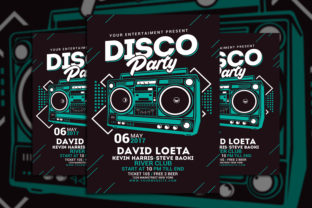
When it comes to creating visuals for a Disco Dance Party, the quality of your design files matters. One popular option is using PSD files created in Adobe Photoshop CS 5. These files are ideal for designers who want to customize elements such as color schemes, fonts, and layouts without losing quality.
The specifications for these files are crucial. They should be 8.27x11.69 inches in size with bleeds, ensuring they print correctly on standard paper sizes. The resolution of 300 dpi guarantees sharp, clear images that won’t pixelate when printed. Additionally, the files should be CMYK-ready, which is essential for professional printing because it ensures accurate color reproduction.
Why Editable Fonts Matter
One of the most important aspects of any design file is the use of editable fonts. When working with Disco Dance Party designs, it's vital that all text is in Font Free formats. This means you can easily change colors, adjust spacing, and even replace text without worrying about font licensing issues.
Editable fonts also allow for greater flexibility in adapting the design for different platforms. For example, if you're creating social media graphics, posters, or event flyers, being able to modify the text quickly can save time and ensure consistency across all materials.
Common Mistakes When Using Disco Dance Party Files
While using Disco Dance Party design files can be rewarding, there are several common mistakes that can hinder the final outcome. Understanding these pitfalls can help you avoid unnecessary delays and costly errors.
- Ignoring File Specifications: Not adhering to the required dimensions, resolution, or color mode can lead to poor print quality or miscommunication with printers.
- Using Non-Editable Fonts: If the text isn't editable, you might find yourself unable to update information or match brand guidelines later on.
- Overlooking Layer Organization: Poorly organized layers can make editing difficult, especially when multiple designers are involved or when making frequent changes.
- Not Checking for Bleed Areas: Failing to account for bleed zones can result in white edges on printed materials, which can look unprofessional.
- Ignoring Readme Files: Many design files come with a readme file that explains the font used, layer structure, and other important details. Skipping this step can lead to confusion and wasted time.
How These Mistakes Affect Your Project
Each of these mistakes can have real consequences. For instance, not following file specifications may result in poor print quality, which can damage your brand reputation. Using non-editable fonts could mean you’re locked into a specific design that doesn’t align with your evolving needs. Poor layer organization can slow down your workflow and increase the risk of errors during edits.
Additionally, not checking for bleed areas can lead to unintended white space on printed materials, which can look unpolished. Ignoring the readme file might prevent you from understanding how to properly use the fonts or adjust the design for different purposes.
How to Avoid These Mistakes
Fortunately, many of these issues can be avoided with a few simple steps. Here’s how you can ensure your Disco Dance Party design files are both effective and efficient:
- Review File Specifications Carefully: Make sure the dimensions, resolution, and color mode match the requirements before starting your design.
- Use Editable Fonts: Always choose fonts that are free to use and easy to edit. This will give you more control over your design and reduce dependency on specific software.
- Organize Layers Properly: Keep your layers well-structured so you can easily locate and edit elements. Use naming conventions and group related items together.
- Check for Bleed Areas: Ensure your design extends beyond the trim area to avoid unwanted white edges on printed materials.
- Read the Readme File: Take the time to understand the font used, layer structure, and any other relevant information provided by the designer.
Realistic Examples and Better Approaches
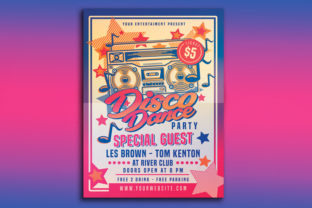
Imagine you're creating a poster for a Disco Dance Party. You download a PSD file that looks great, but the text is in a proprietary font. If you need to change the color or adjust the layout, you might find yourself stuck. Instead, look for a version that uses Font Free fonts like Helvetica or Georgia.
Another example: you’re designing a flyer and notice the layers are all jumbled together. This makes it hard to edit individual elements. By organizing your layers into groups—such as "Background," "Text," and "Graphics"—you can streamline your workflow and make future edits much easier.
What to Check Before Making a Decision
Before committing to a Disco Dance Party design file, there are a few key things to consider:
- Compatibility: Ensure the file format (e.g., .psd) is compatible with your design software.
- License Agreement: Verify that the file is free to use and that you’re allowed to modify and distribute it as needed.
- Quality: Check for any visible artifacts, low-resolution images, or inconsistencies in the design.
- Support: Look for resources like readme files, tutorials, or community forums that can help you get the most out of the design.
By taking these steps, you can ensure that your Disco Dance Party design is both visually appealing and professionally executed. With the right tools and approach, you’ll be able to create engaging, high-quality materials that reflect the spirit of the event and meet the expectations of your audience.